For those working in the healthcare sector, medical devices and their functions are undoubtedly commonplace in everyday life. They’re certainly familiar with their names and uses.
However, what about the general public who aren’t familiar with medical devices and their functions? Therefore, in this article, we’ll discuss medical devices and their functions.
Of course, you don’t need to memorize everything, but we will provide an explanation of medical devices that can be used daily and in important or urgent situations.
Definition of Medical Devices
According to the official Farmalkes website, medical devices are instruments, apparatus, machines, and implants that don’t contain drugs and are used to prevent, diagnose, cure, and alleviate disease, treat the sick, restore health, and shape the structure and improve body function.
Therefore, these medical devices are actually very important and need to be studied in first aid in cases of accidents or other injuries.
Types of Medical Devices
So, what types of medical devices should you know? Below is a further explanation of medical devices and their functions. Below are some personal health devices you can have at home.
1. Body Scale
A body scale is a device used to measure body weight. This scale can be used practically by a person to find out their personal weight.
In the medical world, a body scale is a measuring tool used to determine and collect patient weight data in a hospital or pharmacy.
Basic scales are divided into three types: analog scales, digital scales, and 2-in-1 scales.
With a body scale at home, you can check and determine your personal weight and determine whether you are at a healthy weight, overweight, or otherwise.
2. Blood Pressure Monitor
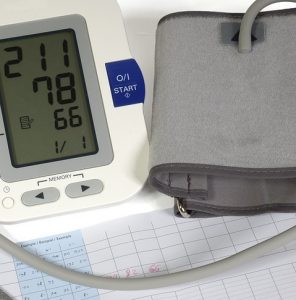
A blood pressure monitor is a medical device used to measure blood pressure. This device is certainly very important to have at home, especially for family members with a history of high blood pressure.
This way, you can easily monitor your blood pressure at any time without having to visit a doctor regularly. This can be done at home at any time.
This blood pressure monitor is used to monitor hypertension treatment, to determine whether the doctor is effectively administering hypertension medication to control your blood pressure.
3. Thermometer
A thermometer is a device used to measure body temperature. This medical device is a must-have in your home due to its crucial function.
In the healthcare sector, a thermometer is used to measure human body temperature to determine whether a person’s body temperature is elevated or normal. It’s quite easy to use: place the thermometer in the armpit or mouth of someone suspected of having an abnormal body temperature.
The three medical devices mentioned above should be available at home. Alternatively, if you have a history of certain medical conditions, you should have other medical devices related to your condition.
In addition to the three medical devices mentioned above, there are other standard medical devices that should be available at home as first aid for wounds or injuries.
Standard Home Medical Equipment
1. Bandages, gauze, and plasters used to cover wounds.
2. Scissors used to cut gauze, bandages, and plasters.
3. Medical gloves used to sterilize hands when treating wounds.
4. Tweezers used to remove small debris or debris stuck in wounds.
The items mentioned above are included in first aid (P3K) medical equipment. Therefore, they are very easy to use.
However, in an emergency, ensure that the situation is handled by someone experienced, such as a doctor, nurse, or midwife.
In addition to the medical equipment mentioned above, there are many other medical devices that have different functions and are urgently used for certain illnesses.
The general public also needs to understand medical devices and their functions to better understand what to do if something unexpected happens.